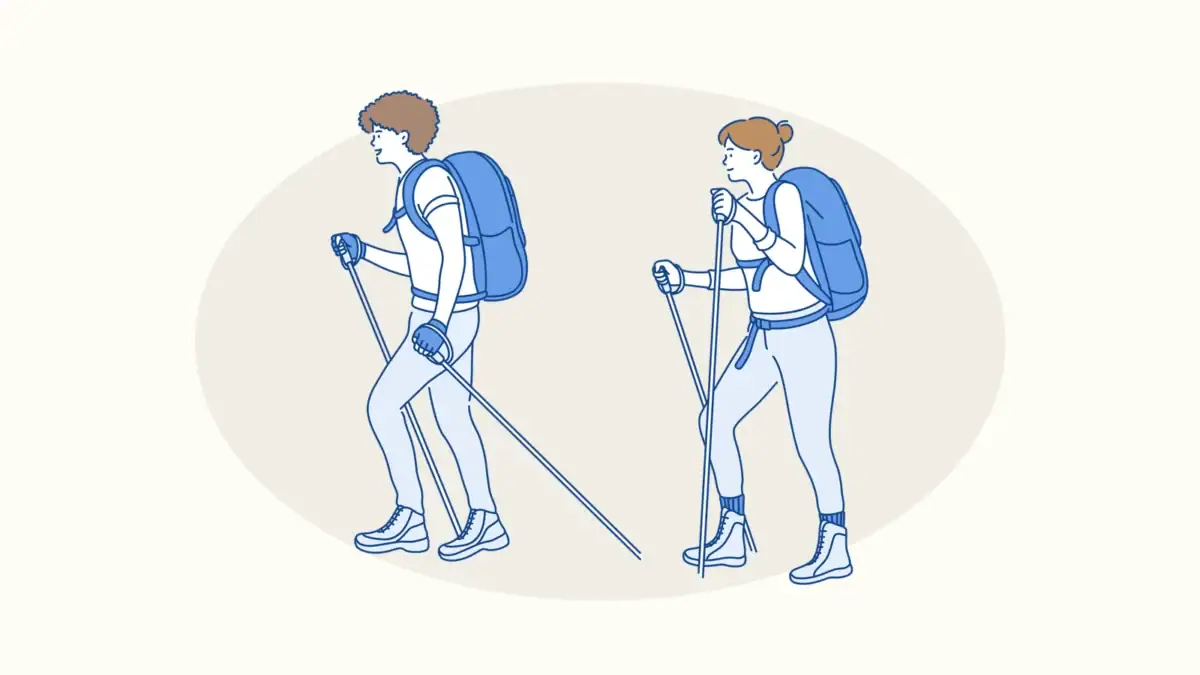
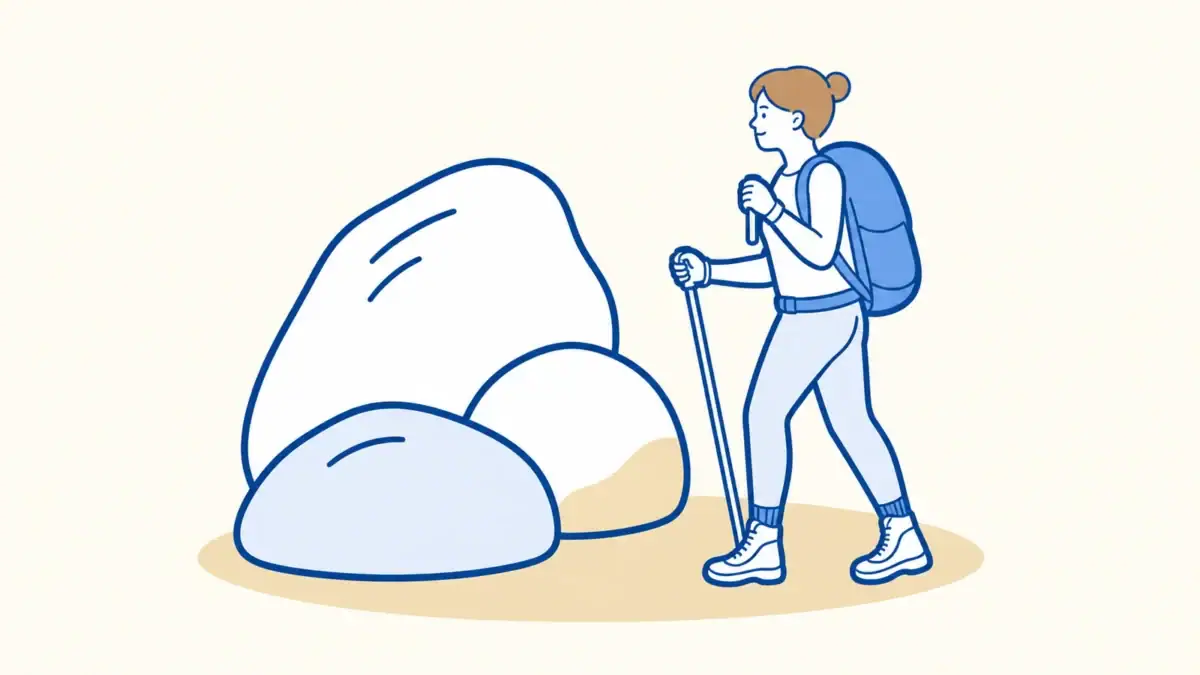
At the north end of Topanga Canyon Boulevard, the sandstone boulders at Stoney Point rise right beside the road. From the lower paths, you can see how the boulders sit against one another and how much the view changes as you walk. Climbers come for the same rock and plan a morning around the individual boulders.
A walk beneath the outcrops
Stoney Point sits between Chatsworth Street and the 118, and the city lists dawn-to-dusk hours. Follow the city’s directions to the park and read the signs when choosing a legal roadside space. If you're arriving in separate cars, pick a meeting point on the park side ahead of time so everyone can get to the path together. official park page
Start on a clear public path through the lower area. The footing is a good guide to how far to go, especially with children. Pause together before the path turns into a scramble, and keep any climbing supervised by the adults responsible for the children. Let the person who wants the shortest walk set the pace for the shared stretch. Anyone who wants to go farther can make a separate plan.
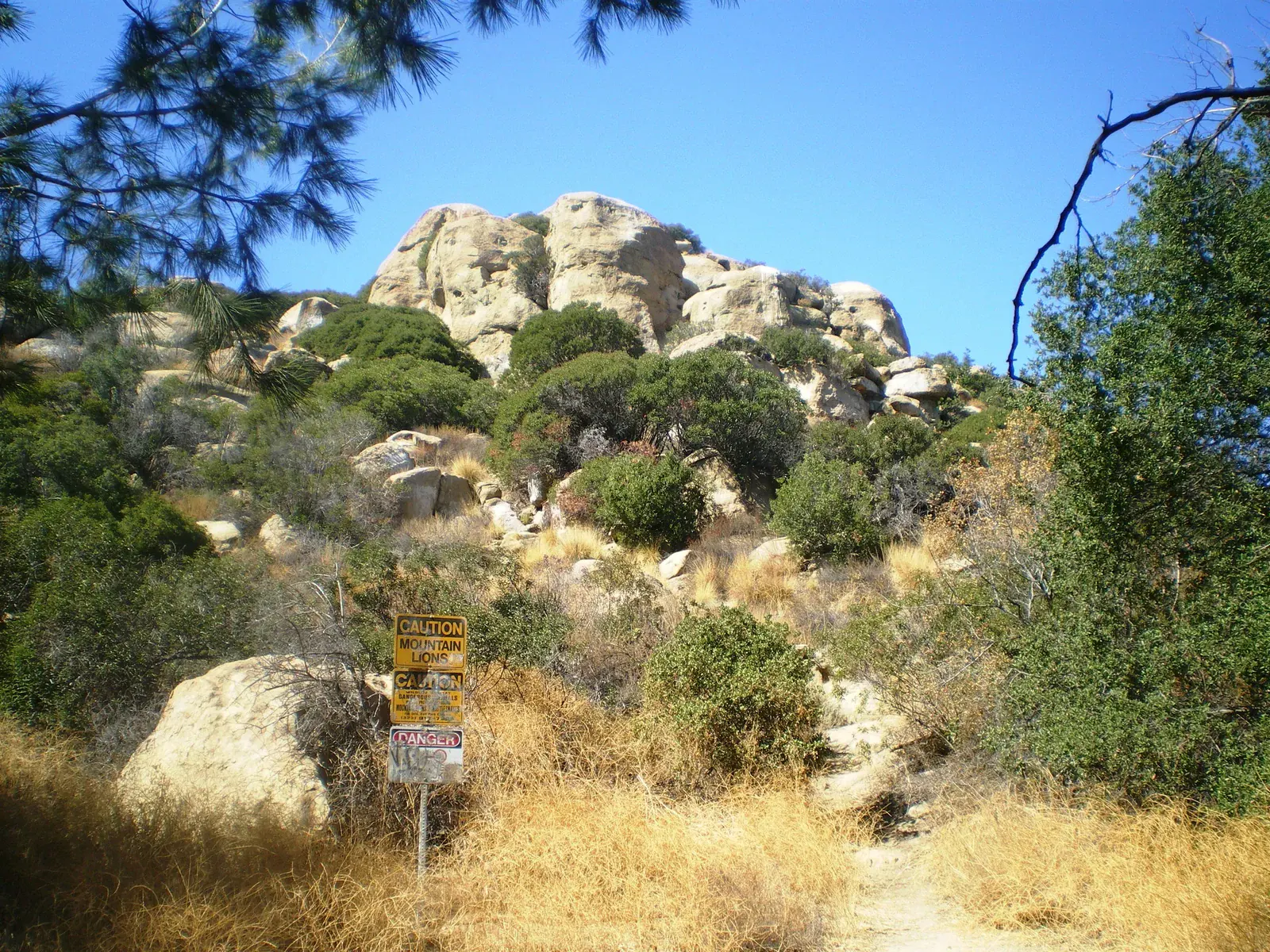
A morning on the boulders
Pick bouldering problems suited to your experience and bring the right equipment. If you're new to the area, go with a partner who knows it or a qualified guide. The ground beneath the rock is part of a climber's route, too. Watch or take photos from the side, and leave crash pads and the ground around them clear so the climber has room to land.
Give sandstone time to dry after a storm. The surface can look dry in the sun while moisture remains in the rock. Wet holds can break and injure climbers, so if you're unsure how dry the rock is, save the climbing for another day and choose a different activity. Access Fund's conservation guidance
Stoney Point and Santa Susana Pass
Pack water and sun protection, and wear shoes with grip for the uneven ground. Set a return time that leaves daylight to walk back and meet up at the cars. If the heat or weather changes, shorten the outing and give the rest of the morning to an indoor stop or an easier walk.
For a morning built around a longer walk, start at Chatsworth Park South and plan a route into Santa Susana Pass State Historic Park. Save the map for that entrance and choose a turnaround before you set out. If your day already includes lunch or a local history stop, a short walk beneath the boulders at Stoney Point leaves time for both. Santa Susana Pass trail information
Frequently asked questions
How far back does climbing at Stoney Point go?
Sierra Club members were coming here by the 1930s. Early rock climbers followed, practicing on the sandstone outcrops. Chatsworth Historical Society timeline
When did the outcrops become a city landmark?
Los Angeles designated the Stoney Point Outcroppings Historic-Cultural Monument No. 132 in 1974. The city dedicated the park eight years later. Stoney Point history
Where can we take the kids to a playground afterward?
Mason Recreation Center, at 10500 Mason Avenue in Chatsworth, has a children’s play area and picnic tables. Mason Recreation Center